


Introduction to Sustainable Vision in Christian Leadership
Creating a sustainable vision in Christian leadership is not just about planning for success—it’s about aligning your leadership with God’s purpose and ensuring long-term spiritual impact. A strong, sustainable vision helps leaders lead their communities with clarity, faith, and resilience.
What Is a Sustainable Vision?
A sustainable vision is a long-term, God-centered direction that remains relevant and effective over time. It goes beyond short-term goals and focuses on lasting spiritual, social and organizational transformation.
It includes:
- Defining a clear purpose rooted in faith
- Thinking long term
- Adaptability guided by godly wisdom
- Being Committed to God’s will
Why Vision Matters in Christian Leadership
Without vision, leadership becomes reactive instead of proactive. A clear vision:
- Provides direction to the leader and the followers
- Inspires others: whether the followers or other people
- Strengthens unity within the team
- Keeps ministries focused on God’s mission
As Proverbs 29:18 admonishes us, “Where there is no vision, the people perish.”
Biblical Foundations of sustainable Vision
Vision Must be Rooted in Scripture
A Christian leader’s vision must be grounded in God’s Word. Scripture acts as both a compass and a foundation, ensuring that the vision aligns with divine truth rather than personal ambition.
Examples of Visionary Leaders in the Bible
Biblical leaders demonstrate how sustainable vision works in practice:
- Nehemiah rebuilt Jerusalem with determination and faith
- Moses led Israel toward the Promised Land despite obstacles
- Paul spread the Gospel with clarity of mission
Each of these leaders relied on God’s direction rather than their own understanding.
Step 1: Seek God First
Prayer as the Foundation
Every sustainable vision begins with prayer. Before making plans, setting strategies or taking any action, Christian leaders must seek God’s guidance. Prayer aligns the heart with God’s will and opens the door to divine wisdom.
Practical tips:
- Set aside daily prayer time
- Pray specifically for direction
- Fast when seeking major decisions
Listening for Divine Direction
Prayer isn’t just about speaking—it’s about listening. God often reveals vision through:
- Scripture
- Quiet reflection
- Wise counsel
Step 2: Define Your Purpose Clearly
Aligning Vision with God’s Calling
A sustainable vision must reflect God’s calling on your life or ministry. Ask yourself:
- What has God placed on my heart?
- Who am I called to serve?
- What impact should this vision create?
Clarity in purpose prevents confusion later.
Writing a Clear Vision Statement
A vision statement should be:
- Simple
- Inspiring
- Biblically aligned
Example:
« To build a Christ-centered community that transforms lives through faith, service, and love. »
Step 3: Build a Spirit-Led Strategy
Planning with Wisdom
Faith and planning go hand in hand. A sustainable vision requires practical steps, including:
- Setting goals
- Creating timelines
- Identifying resources
Good planning honors God and prepares leaders for growth.
Flexibility and Faith
While planning is essential, flexibility is equally important. God may redirect your path, and a wise leader remains open to change.
Step 4: Empower and Equip Others
Developing Leaders
A vision becomes sustainable when it’s shared. Leaders must invest in others by:
- Mentoring others who could eventually be successors
- Teaching the right people step by step
- Encouraging growth from the team members
Strong teams ensure the vision continues beyond one person.
Delegation with Trust
Delegation is not losing control—it’s multiplying impact. Trusting others strengthens the mission and builds confidence within the team.
Step 5: Foster Long-Term Sustainability
Financial and Resource Stewardship
Sustainability requires wise use of resources. This includes:
- Budgeting carefully
- Avoiding unnecessary expenses
- Planning for future needs
Stewardship reflects faithfulness.
Emotional and Spiritual Health
Leaders must care for themselves as well:
- Maintain a strong prayer life
- Rest regularly
- Seek accountability
A healthy leader sustains a healthy vision.
Step 6: Measure Growth and Impact
Setting Faith-Based Metrics
Growth isn’t just about numbers—it’s about transformation. Consider:
- Spiritual growth in members
- Community impact
- Engagement in ministry
Evaluating Progress Regularly
Review your vision periodically:
- What’s working?
- What needs improvement?
- Are we still aligned with God’s purpose?
Regular evaluation keeps the vision on track.
Step 7: Stay Faithful Through Challenges
Overcoming Discouragement
Every leader faces challenges. During difficult times:
- Stay rooted in Scripture
- Surround yourself with support
- Remember God’s promises
Trusting God’s Timing
God’s timing is perfect—even when it feels slow. Patience and faith are essential for long-term success.
Common Mistakes to Avoid
Avoid these pitfalls:
- Ignoring prayer and relying only on strategy
- Setting unclear or unrealistic goals
- Failing to develop others
- Neglecting personal spiritual health
Recognizing these mistakes early helps maintain a strong vision.
FAQs on Christian Leadership sustainable Vision
1. What makes a vision sustainable in Christian leadership?
A sustainable vision is rooted in God’s Word, adaptable, and focused on long-term spiritual impact rather than short-term success.
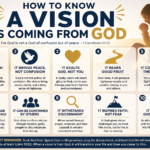
2. How do I know if my vision is from God?
Seek confirmation through prayer, Scripture, and wise counsel. God’s vision will align with His Word and bring peace.
3. Can a vision change over time?
Yes, God may refine or redirect your vision. Flexibility is key while staying faithful to the core purpose.
4. How do I communicate my vision effectively?
Use clear language, repeat it often, and lead by example. People follow what they understand and believe in.
5. What role does faith play in sustaining vision?
Faith keeps leaders grounded during challenges and helps them trust God’s plan even when results are not immediate.
6. How can I keep my team aligned with the vision?
Regular meetings, clear communication, and shared goals help maintain alignment and unity.
Conclusion
Creating a sustainable vision in Christian leadership is a journey of faith, discipline, and obedience. It requires seeking God first, defining purpose clearly, building strong strategies, and empowering others.
A truly sustainable vision doesn’t just achieve goals—it transforms lives and glorifies God. When leaders stay faithful, adaptable, and grounded in Scripture, their vision becomes a lasting legacy that impacts generations.

Pingback: 5 erreurs qui empêchent l'accomplissement de la vision de Dieu - Fillenium