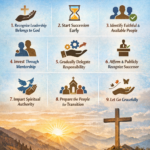


Introduction to Leadership and Equipping
Leadership today is no longer just about giving orders or managing tasks. Instead, it revolves around growing and empowering others to succeed. One of the most important aspects of this christian leadership style is equipping as an essential part of leadership.
Equipping means providing your team with the tools, skills, knowledge, and confidence they need to perform at their best. A leader who equips doesn’t just direct—they take time to groom and develop people. This approach builds stronger teams, fosters innovation, and ensures long-term success.
In a fast-changing world, leaders who fail to equip their teams often fall behind. On the other hand, those who prioritize equipping create environments where individuals grow, collaborate, and excel.
What Does Equipping Mean in Leadership?
Equipping in leadership refers to preparing team members to handle responsibilities effectively. It includes:
- Teaching new skills and competencies
- Sharing knowledge and insights
- Providing the right resources and tools
- Encouraging and stimulating independent thinking
Rather than doing all the work themselves, great leaders invest time in building others. This creates a ripple effect—when team members grow, the entire organization benefits.
Why Equipping Matters More Than Authority
Traditional leadership relied heavily on authority. However, authority alone doesn’t guarantee success. People perform better when they feel supported, not controlled.
Equipping builds:
- Trust-When you equip others, you develop more trust in their work and they also grow trust in you.
- Confidence- Through this, the people equiped become more confident, in themselves, in their work and also in you.
- Accountability-As the workers trust the leader, they become more accountable.
When leaders equip their teams, they shift from being bosses to mentors. This transformation leads to stronger relationships and better outcomes.
The Core Principles of Equipping as an Essential Part of Leadership
Understanding the principles behind equipping helps leaders apply it effectively.
Empowerment Through Knowledge
Knowledge is power. When leaders share knowledge openly, they empower their teams to make informed decisions.
Skill Development and Continuous Learning
Encouraging learning is key to growth. Leaders should:
- Offer training programs
- Support online courses
- Promote skill-building activities
Continuous learning keeps teams competitive and adaptable.
Building Confidence in Teams
Confidence is just as important as skill. Even highly skilled employees may struggle without self-belief.
Leaders can build confidence by:
- Recognizing achievements
- Providing constructive feedback
- Encouraging initiative
When people feel confident, they take ownership of their work and perform better.
Benefits of Equipping in Leadership
Equipping has far-reaching benefits that impact both individuals and organizations.
Increased Productivity and Efficiency
Equipped teams work smarter, not harder. They understand their roles and have the tools needed to succeed.
Better Decision-Making
When employees are well-equipped:
- They analyze situations effectively
- They solve problems independently
- They make quicker decisions
This reduces the burden on leaders and speeds up processes.
Stronger Team Engagement
Engaged employees are more committed and motivated.
Equipping leads to:
- Higher job satisfaction
- Reduced turnover
- Stronger collaboration
When people feel valued and supported, they are more likely to stay and contribute.
Key Strategies for Effective Equipping
Leaders need practical strategies to equip their teams successfully.
Training and Development Programs
Investing in training is one of the most effective ways to equip employees.
Examples include:
- Workshops
- Online learning platforms
- On-the-job training
Training ensures that employees stay updated with industry trends.
Mentorship and Coaching
Mentorship provides personalized guidance. Experienced leaders can:
- Share real-world experiences
- Offer advice
- Help employees navigate challenges
Coaching, on the other hand, focuses on improving specific skills.
Providing the Right Tools and Resources
Even the most skilled employees cannot perform well without proper tools.
Leaders should ensure access to:
- Technology
- Software
- Information
Providing the right resources removes barriers and boosts performance.
Challenges Leaders Face When Equipping Teams
While equipping is essential, it comes with challenges.
Resistance to Change
Some employees may resist new methods or training.
Leaders can overcome this by:
- Communicating benefits clearly
- Involving employees in decisions
- Offering support during transitions
Lack of Resources
Limited budgets or time can hinder equipping efforts.
To address this:
- Prioritize critical training
- Use cost-effective solutions
- Encourage peer learning
Even small steps can make a big difference.
Real-Life Examples of Leaders Who Equip
Many successful leaders prioritize equipping their teams.
Lessons from Successful Organizations
Top organizations invest heavily in employee development. They understand that their greatest asset is their people.
Key lessons include:
- Continuous learning drives innovation
- Empowered teams perform better
- Leadership is about service, not control
You can explore more about leadership development strategies through this helpful resource:
🔗 https://www.mindtools.com/pages/main/newMN_LDR.htm
How to Start Equipping Your Team Today
Taking the first step is often the hardest—but it doesn’t have to be complicated.
Step-by-Step Approach
- Assess Needs – Identify skill gaps
- Set Goals – Define clear objectives
- Provide Training – Offer relevant learning opportunities
- Encourage Feedback – Listen to your team
- Monitor Progress – Track improvements
Consistency is key. Small, regular efforts lead to lasting results.
The Future of Leadership: Equip to Lead
The future belongs to leaders who invest in people. As workplaces evolve, the ability to equip others will become even more critical.
Leaders who embrace this approach will:
- Build resilient teams
- Drive innovation
- Achieve sustainable success
Equipping is not just a leadership skill—it’s a leadership responsibility.
❓ FAQs
1. What is equipping in leadership?
Equipping in leadership means providing team members with the tools, skills, and knowledge needed to succeed.
2. Why is equipping important for leaders?
It improves performance, builds confidence, and helps teams operate independently.
3. How can leaders equip their teams effectively?
Through training, mentorship, resource allocation, and continuous feedback.
4. What are the benefits of equipping employees?
Higher productivity, better decision-making, and increased engagement.
5. What challenges come with equipping teams?
Common challenges include resistance to change and limited resources.
6. Can equipping improve employee retention?
Yes, employees are more likely to stay when they feel valued and supported.
Conclusion
In today’s dynamic world, equipping as an essential part of leadership is no longer optional—it is vital. Leaders who equip their teams create stronger, more capable organizations. They empower individuals, foster growth, and build a culture of success.
By focusing on equipping, leaders move beyond managing tasks to transforming lives. And in doing so, they unlock the true potential of their teams.