


The idea of the leader, the steward, not the owner of the vision is a powerful shift in how we think about leadership. Instead of seeing leaders as the sole creators and controllers of ideas, this concept highlights their role as caretakers of something bigger than themselves.
Leadership is not about possession—it’s about responsibility. A vision often emerges from a mix of shared experiences, team input, and external needs. The leader’s role is to guide, protect, and nurture that vision so it can grow and succeed.
What Does It Mean to Be a Steward?
Being a steward means managing something with care and responsibility. In leadership, it means:
- Protecting the integrity of the vision
- Ensuring it serves the greater good
- Guiding others toward its fulfillment
Unlike owners, stewards don’t control for personal gain. Instead, they act in service of the mission and the people involved.
Why Leaders Are Not Owners of Vision
No vision exists in isolation. Even the most brilliant ideas are shaped by:
- Team contributions
- Customer needs
- Social and economic environments
When leaders claim full ownership, they limit innovation. But when they act as stewards, they open the door for collaboration and growth.
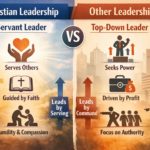
The Difference Between Ownership and Stewardship
Understanding this difference is key to becoming an effective leader.
Ownership Mindset Pitfalls
Leaders who see themselves as owners often fall into traps like:
- Micromanagement
- Resistance to feedback
- Ego-driven decisions
This can lead to stagnation and disengaged teams.
Stewardship Mindset Benefits
A stewardship mindset brings:
- Stronger team trust
- Greater innovation
- Long-term success
It shifts leadership from control to collaboration, making the vision stronger and more adaptable.
The Origins of Vision in Leadership
Vision doesn’t come from a single person—it grows from many sources.
Vision as a Shared Purpose
Great visions reflect the collective goals of a group. They are shaped by:
- Team insights
- Shared values
- Common challenges
When people feel included, they are more committed to achieving the vision.
External Influences on Vision
Vision is also influenced by the outside world, including:
- Market trends
- Community needs
- Global challenges
A steward leader recognizes these influences and adapts accordingly.
Traits of a Steward Leader
To embrace the leader, the steward, not the owner of the vision, certain traits are essential.
Humility and Self-Awareness
Steward leaders understand that they don’t have all the answers. They:
- Listen actively
- Accept feedback
- Reflect on their actions
This builds trust and respect within the team.
Accountability and Responsibility
Being a steward means taking responsibility without claiming ownership. This includes:
- Owning outcomes, not ideas
- Acting ethically
- Supporting team success
How Steward Leaders Inspire Teams
Leadership is about influence, not authority.
Empowering Others
Steward leaders empower their teams by:
- Delegating responsibilities
- Encouraging decision-making
- Recognizing contributions
This creates a sense of ownership among team members.
Creating a Culture of Ownership
Ironically, when leaders don’t claim ownership, teams feel more responsible. This leads to:
- Higher engagement
- Better performance
- Stronger collaboration
Challenges of Letting Go of Ownership
Adopting this mindset isn’t always easy.
Fear of Losing Control
Many leaders worry that letting go will lead to chaos. But in reality, it often leads to:
- Greater innovation
- Stronger accountability
- Better results
Balancing Authority and Freedom
Steward leaders must find the right balance between:
- Guiding the vision
- Allowing autonomy
This requires strong communication and clear expectations.
Practical Ways to Lead as a Steward
Here’s how you can apply this concept in everyday leadership.
Listening First
Great leaders listen before they act. This means:
- Seeking input from all levels
- Understanding different perspectives
- Valuing feedback
Encouraging Collaboration
Collaboration strengthens vision. Leaders can:
- Foster open discussions
- Promote teamwork
- Align goals across departments
Case Studies of Steward Leadership
Corporate Leadership Examples
Many successful companies thrive because leaders act as stewards. They:
- Encourage innovation
- Support team growth
- Focus on long-term success
Community Leadership Examples
In communities, stewardship leadership leads to:
- Stronger relationships
- Sustainable development
- Shared responsibility
The Long-Term Impact of Steward Leadership
Building Lasting Organizations
Steward leadership creates organizations that:
- Adapt to change
- Maintain strong cultures
- Achieve sustainable growth
Developing Future Leaders
By acting as stewards, leaders:
- Mentor others
- Share knowledge
- Build leadership pipelines
FAQs
1. What does “the leader, the steward, not the owner of the vision” mean?
It means leaders guide and protect a vision rather than control or claim it as their own.
2. Why is stewardship important in leadership?
It promotes collaboration, trust, and long-term success.
3. Can a leader still make decisions as a steward?
Yes, but decisions are made with the team and vision in mind, not personal control.
4. How can leaders shift from ownership to stewardship?
By listening more, empowering others, and focusing on shared goals.
5. Does stewardship weaken authority?
No, it strengthens influence and respect.
6. What industries benefit most from this approach?
All industries—from business to education and community leadership—benefit from stewardship.
Conclusion
The idea of the leader, the steward, not the owner of the vision challenges traditional leadership models. It asks leaders to step back from control and step into responsibility.
When leaders embrace stewardship, they unlock the full potential of their teams. They create environments where ideas flourish, people grow, and visions become reality—not because one person owns them, but because everyone believes in them.
If you’re ready to transform your leadership style, start by asking yourself: Am I owning the vision, or am I serving it?


Merci beaucoup papa pour ces vérités
Jésus Christ vous révèle davantage ses secrets